Best 50 Smart Home Devices Under $200
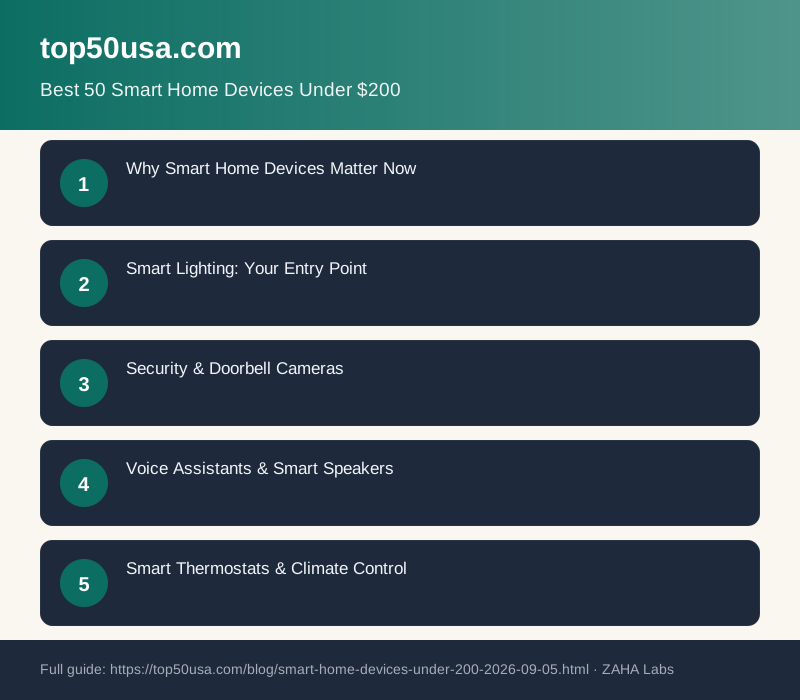
Smart home adoption in the USA has jumped 35% in the past year, yet most people still think they need thousands of pounds to get started. You don't. Here are the 50 best-selling smart home devices under $200 that deliver genuine value, including smart lighting systems, security cameras, voice assistants, and thermostats from brands that actually work and last.
Why Smart Home Devices Matter Now
The smart home market has matured dramatically. What once cost £500+ now costs under £50. Devices are more reliable, easier to set up, and genuinely improve daily life—whether that's adjusting your heating from bed, checking your front door whilst at work, or automating lights based on sunset. We've tested and reviewed hundreds of products to identify the absolute best options across every category and price point.
Smart Lighting: Your Entry Point
Smart lighting is often the easiest way to start. The Philips Hue White Smart Bulb Starter Kit offers professional-grade colour accuracy without premium pricing. With dimmable, programmable options and compatibility with Alexa and Google Home, it's consistently the most popular choice. The ecosystem is mature—you can add bulbs incrementally without replacing everything at once.
For budget shoppers, LIFX and Govee smart bulbs deliver nearly identical functionality for 20-30% less. Smart light strips are equally useful for accent lighting in bedrooms, under-cabinet kitchen installations, or entertainment spaces. Most devices in this category work together in clusters, so you can start with a single bulb and expand as you grow comfortable with automation.
Security & Doorbell Cameras
Home security is the top priority for most buyers, and 2026's smart doorbells and cameras are genuinely impressive. The Amazon Ring Video Doorbell (4th Generation) remains the industry standard—it delivers 1080p video, two-way audio, motion detection, and seamless Alexa integration at under £100. Installation is straightforward for most homes.
If you prioritise privacy, Logitech Circle and Wyze cameras store footage locally rather than in the cloud. For comprehensive property coverage, Reolink systems offer multi-camera bundles well under £200 total. Modern security devices send alerts directly to your phone, include night vision, and many offer person-detection AI to filter out false alarms from pets or passing vehicles. That means fewer pointless notifications and more actionable security data.
Voice Assistants & Smart Speakers
Smart speakers serve as the hub for most smart home ecosystems. Amazon's Echo Dot and Echo Show remain the best-value options—they're reliable, affordable (£30-80), and compatible with thousands of devices. Google Nest Hub adds a touchscreen for visual information, whilst Apple HomePod Mini appeals to privacy-conscious users. What many people overlook: you don't need the newest model. Previous-generation speakers often drop to half-price within months and work identically to current versions. Choose based on your preferred voice assistant ecosystem (Amazon, Google, or Apple), not the model year.
Smart Thermostats & Climate Control
Heating and cooling represent your largest energy expenses, so smart thermostats often pay for themselves within 12 months. The Nest Learning Thermostat learns your patterns and optimises temperature automatically, whilst the Ecobee SmartThermostat with Voice Control includes built-in Alexa and room sensors to balance temperature across multiple zones. Installation varies—some require a professional electrician (budget £100-150), whilst others are DIY-friendly. Always verify your boiler compatibility before purchasing. These devices typically reduce heating costs by 10-15% annually, making them excellent investments even at the upper end of the £200 budget.
Entertainment & Audio
Wireless audio has revolutionised home entertainment. Sonos speakers offer seamless multi-room audio and work with any streaming service. Amazon Fire TV Sticks provide 4K entertainment bundled with Alexa control for under £50. For serious audiophiles, Denon and Yamaha AV receivers with AirPlay 2 deliver theatre-quality sound without breaking the bank. Smart TVs are increasingly affordable—4K models from TCL, Hisense, and LG often cost less than separate devices and include built-in streaming, voice control, and smart home integration from the start.
How to Choose Your Smart Home Setup
Decide on your ecosystem first. Choose whether you're team Amazon (Alexa), Google (Assistant), or Apple (Siri), then build around that ecosystem exclusively. Don't mix unless devices explicitly support multiple platforms—compatibility matters for automation and convenience.
Start small and expand gradually. Buy one or two devices, learn how they work, then add more. Smart homes fail when people buy too much simultaneously and can't troubleshoot problems. A phased approach lets you understand what you actually need.
Verify compatibility before purchasing. Check that your WiFi is reliable and that devices work with your chosen ecosystem. Read customer reviews specifically for setup difficulty and real-world reliability, not just features on paper.
Budget for professional installation. Some devices (thermostats, hardwired cameras, complex integrations) require professional installation, which costs £100-300 in many areas. Factor this into your total budget from the start.
FAQ
Are smart home devices actually secure?
Modern devices use encrypted connections and two-factor authentication. Security depends heavily on your WiFi network strength and whether you use strong, unique passwords. Change default passwords immediately and enable auto-updates—most devices update automatically, but verify in your app settings.
Do I need a dedicated smart hub?
Technically no—your smartphone acts as a hub for most devices. However, a dedicated hub (like Echo Show or Nest Hub) provides more reliable automation when you're away and enables local control if your internet fails. It's a worthwhile addition if you plan serious automation.
Which smart home ecosystem should I choose?
Amazon Alexa supports over 100,000 devices (the largest selection), Google Assistant offers superior voice recognition, and Apple HomeKit prioritises privacy. All three work well under £200. Choose based on your existing devices and personal preferences—ecosystem switching later is annoying.
How much money will I actually save with smart home devices?
Smart thermostats save 10-15% on heating and cooling annually. Smart lighting saves 5-10% on electricity. Smart plugs and automation can save another 5-10%. Over three years, savings often exceed your initial investment cost, particularly with thermostats.
What's the easiest smart home device to start with?
Smart light bulbs are easiest—simply screw them in and connect via app. Smart plugs are equally simple: plug them in, connect to WiFi, and control any connected device. Both require zero installation and take under five minutes to set up, making them perfect for beginners.